

Private Bank vs Government Bank Jobs: Which Career is Better in 2026?
Choosing between a private bank job and a government bank job is one of the biggest career decisions for banking aspirants. Both sectors offer excellent opportunities, but they differ significantly in terms of salary, job security, promotions, work-life balance, and career growth.
Many students preparing for banking exams often wonder:
- Which bank job offers better salary?
- Are government bank jobs more secure?
- Is career growth faster in private banks?
- Which option is best for fresh graduates?
In this guide, Chandigarh EDU compares Private Bank vs Government Bank Jobs to help you make an informed career decision.
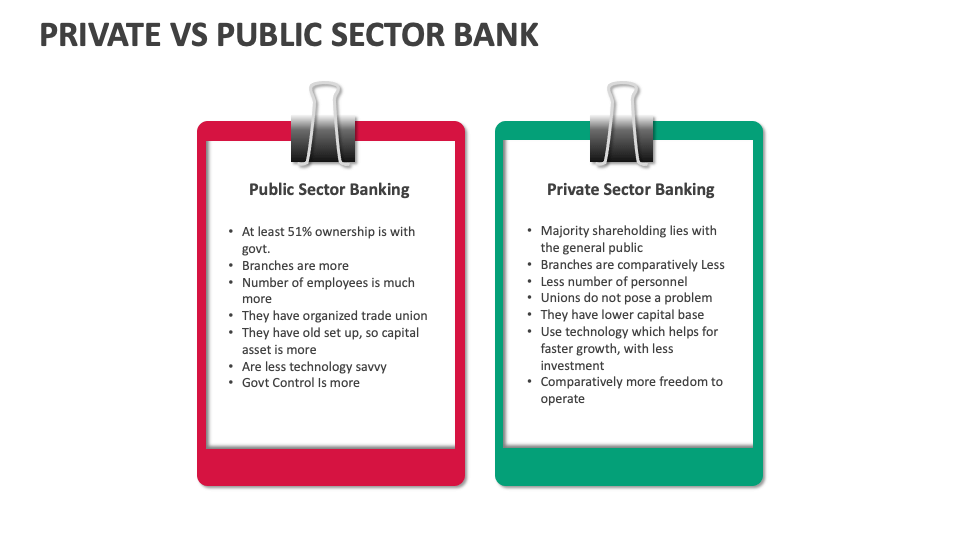
Private Bank vs Government Bank Jobs – Quick Comparison
| Feature | Government Bank | Private Bank |
|---|---|---|
| Job Security | ⭐⭐⭐⭐⭐ Very High | ⭐⭐⭐ Moderate |
| Salary | Good | Good to Excellent |
| Promotions | Time & Performance Based | Mostly Performance Based |
| Work Pressure | Moderate | High |
| Work-Life Balance | Better | Moderate |
| Job Stability | Excellent | Depends on Performance |
| Transfer Policy | Frequent Transfers | Limited Transfers |
| Recruitment | Competitive Exams | Direct Recruitment |
| Retirement Benefits | Pension & Benefits | Company Policies |
What is a Government Bank Job?
Government bank jobs are positions offered by banks owned or controlled by the Government of India.
Popular government banks include:
- State Bank of India (SBI)
- Punjab National Bank (PNB)
- Bank of Baroda (BOB)
- Canara Bank
- Union Bank of India
- Indian Bank
Recruitment is mainly conducted through:
- IBPS PO
- IBPS Clerk
- SBI PO
- SBI Clerk
- RBI Exams
What is a Private Bank Job?
Private banks are owned by private companies or shareholders and recruit candidates directly based on interviews, aptitude tests, and experience.
Popular private banks include:
- HDFC Bank
- ICICI Bank
- Axis Bank
- Kotak Mahindra Bank
- IndusInd Bank
- Yes Bank
Most private banks recruit through:
- Campus Placements
- Walk-in Interviews
- Online Applications
- Referral Programs
Salary Comparison
Government Bank Salary
Government bank employees receive:
- Basic Pay
- Dearness Allowance (DA)
- House Rent Allowance (HRA)
- Travel Allowance
- Medical Benefits
- Pension Benefits (as applicable)
Approximate Salary
| Post | Monthly Salary |
|---|---|
| Clerk | ₹35,000–₹45,000 |
| Probationary Officer (PO) | ₹52,000–₹65,000 |
| Manager | ₹70,000–₹1,00,000+ |
Private Bank Salary
Private bank salaries depend on:
- Experience
- Skills
- Performance
- Location
Approximate Salary
| Post | Monthly Salary |
|---|---|
| Relationship Executive | ₹25,000–₹40,000 |
| Assistant Manager | ₹40,000–₹70,000 |
| Branch Manager | ₹70,000–₹1,50,000+ |
Top-performing employees often receive attractive incentives and bonuses.
Job Security Comparison
| Government Bank | Private Bank |
|---|---|
| Permanent employment | Performance-based employment |
| Very low risk of job loss | Depends on targets and performance |
| Stable career | Competitive environment |
Winner: Government Bank Jobs
Career Growth
Government Banks
Promotion depends on:
- Seniority
- Departmental Exams
- Performance
Growth is steady and structured.
Private Banks
Promotion depends largely on:
- Sales targets
- Performance
- Leadership skills
- Business generation
High performers can be promoted quickly.
Winner: Private Banks (for faster promotions)
Work-Life Balance
Government Banks
Advantages:
- Fixed working hours
- Public holidays
- Better leave policies
- Less pressure
Private Banks
Challenges:
- Longer working hours
- High sales targets
- Weekend work (in some roles)
- Higher work pressure
Winner: Government Banks
Recruitment Process
Government Banks
Selection usually involves:
- Preliminary Exam
- Main Exam
- Interview (for some posts)
- Document Verification
Recruitment is highly competitive.
Private Banks
Selection generally includes:
- Resume Screening
- Aptitude Test
- Group Discussion (sometimes)
- Personal Interview
The recruitment process is usually faster.
Eligibility Criteria
Government Bank Jobs
Generally require:
- Graduation
- Age between 20–30 years (varies by exam)
- Competitive exam qualification
Private Bank Jobs
Generally require:
- Graduation
- Good communication skills
- Computer knowledge
- Interview performance
Benefits Comparison
| Benefit | Government Bank | Private Bank |
|---|---|---|
| Medical Benefits | ✔️ | ✔️ |
| Pension | ✔️ (as applicable) | ❌ Generally Not Available |
| Paid Leave | Excellent | Good |
| Job Stability | Excellent | Moderate |
| Incentives | Limited | Excellent |
| Bonuses | Good | Performance Based |
Pros and Cons
Government Bank Jobs
Pros
- Excellent job security
- Attractive allowances
- Better work-life balance
- Retirement benefits
- Prestige
Cons
- Competitive entrance exams
- Slower promotions
- Frequent transfers
Private Bank Jobs
Pros
- Faster promotions
- Higher incentives
- Better learning opportunities
- Modern work culture
- Performance rewards
Cons
- High work pressure
- Sales targets
- Less job security
- Longer working hours
Which Job is Better for Freshers?
Choose Government Bank If You Want:
- Stable career
- Long-term job security
- Better work-life balance
- Government benefits
- Pension and allowances
Choose Private Bank If You Want:
- Fast career growth
- Higher incentives
- Corporate exposure
- Skill development
- Performance-based promotions
Government Bank vs Private Bank: Which Should You Choose?
| If Your Priority Is | Best Choice |
|---|---|
| Job Security | Government Bank |
| Salary Growth | Private Bank |
| Promotions | Private Bank |
| Work-Life Balance | Government Bank |
| Retirement Benefits | Government Bank |
| Incentives | Private Bank |
| Stability | Government Bank |
| Corporate Experience | Private Bank |
Tips to Build a Banking Career
- Improve communication skills.
- Stay updated with banking awareness.
- Practice aptitude and reasoning.
- Learn computer applications.
- Develop customer service skills.
- Prepare consistently for banking exams.
- Gain internship or practical experience if possible.
Conclusion
Both private bank jobs and government bank jobs offer rewarding career opportunities, but the right choice depends on your career goals.
If you prioritize job security, fixed working hours, retirement benefits, and long-term stability, a government bank job is an excellent option.
On the other hand, if you enjoy a fast-paced work environment, performance-based rewards, and quicker career progression, a private bank job may be the better choice.
Before making your decision, evaluate your strengths, career aspirations, and work preferences to choose the banking career that aligns with your future goals.
Frequently Asked Questions (FAQs)
Which is better, private bank or government bank?
Government banks are better for job security and work-life balance, while private banks offer faster career growth and performance-based incentives.
Which bank offers a higher salary?
Private banks may offer higher salaries and incentives for experienced professionals, while government banks provide competitive pay with additional allowances.
Are government bank jobs permanent?
Yes, government bank jobs generally offer permanent employment, subject to probation and service rules.
Can freshers get jobs in private banks?
Yes, private banks regularly hire fresh graduates through campus placements and direct recruitment.
Which bank has better work-life balance?
Government banks usually offer better work-life balance with fixed working hours and more holidays.
Is it difficult to get a government bank job?
Government bank jobs are competitive as candidates must clear exams like IBPS PO, SBI PO, or RBI Grade B.
Do private bank employees get promotions faster?
Yes, promotions in private banks are mainly performance-based and can happen faster than in government banks.
Which banking career is best after graduation?
Graduates seeking stability can prepare for government bank exams, while those looking for rapid career growth may consider private banks.Banking Salary in India